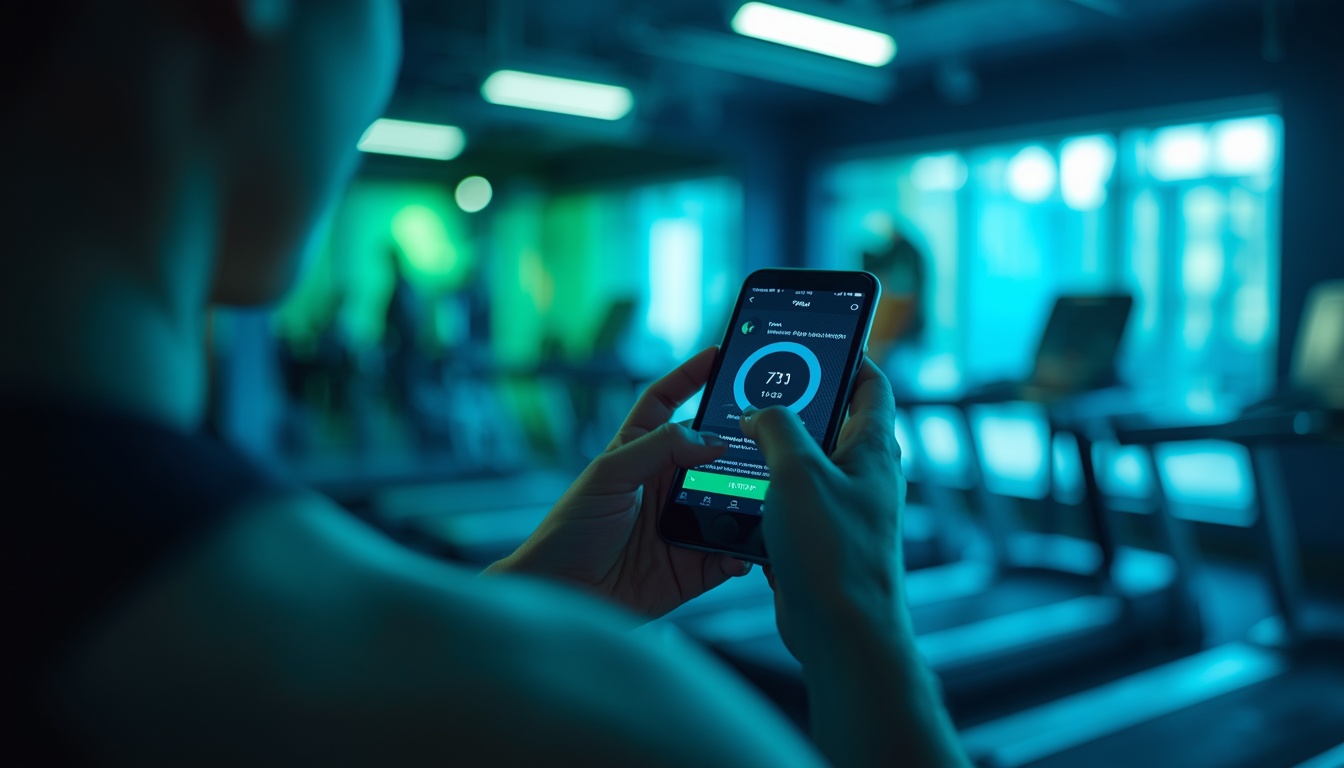
Health and fitness applications collect some of the most sensitive personal data in the digital ecosystem—including real-time GPS location tracking, continuous heart rate metrics, body weight logs, menstrual cycle details, sleep architecture, and biometric identifiers. While users download these applications to optimize their physical health, many are unaware of how developers monetize, store, share, and protect their personal information. In 2026, navigating digital fitness requires inspecting privacy policies, data broker sharing practices, regulatory protections, and practical security configurations.
The Spectrum of Fitness Data Collection
To evaluate privacy risks, users must understand the specific categories of data collected by modern health applications:
1. Precise Location Data: GPS coordinates logged during outdoor runs, cycling routes, and walking activities. Precision GPS data can reveal an individual’s home address, daily commuting routes, workplace location, and frequent social spots.
2. Biometric and Physiological Metrics: Continuous heart rate, Heart Rate Variability (HRV), blood oxygen saturation (SpO2), body fat percentage, and sleep stage tracking.
3. Health and Reproductive Data: Menstrual cycle logging, ovulation tracking, pregnancy status, symptom logs, and medical history disclosures.
4. Behavioral and Sensor Data: Accelerometer movement patterns, device identifiers (IP address, IDFA), contacts access, and app usage frequency.
How Fitness App Developers Monetize Personal Data
Developing, maintaining, and hosting mobile applications incurs significant engineering costs. When an application is offered for free or at a low subscription rate, user data frequently becomes the primary monetization asset.
Targeted Advertising and Data Brokers. App developers often integrate third-party Software Development Kits (SDKs) from advertising networks and data brokers. These SDKs extract user demographic data, location logs, and fitness interest profiles, selling aggregated user profiles to insurance companies, pharmaceutical marketers, and commercial data exchanges.
The Danger of Anonymized Data De-Anonymization. App developers frequently claim that user data is “anonymized and aggregated” before being shared. However, computer science research repeatedly proves that combining “anonymized” GPS location logs with public records allows third parties to re-identify individual users with over 95% accuracy.
Regulatory Landscape: HIPAA, GDPR, and State Privacy Laws
A common consumer misconception is assuming that all health-related apps are legally protected by medical privacy laws like the Health Insurance Portability and Accountability Act (HIPAA).
The HIPAA Exemption Gap. HIPAA strictly applies to covered healthcare entities—such as hospitals, physicians, and health insurance providers. The vast majority of consumer fitness apps downloaded from the Apple App Store or Google Play Store are NOT covered by HIPAA.
GDPR and State Consumer Protections. The European Union’s General Data Protection Regulation (GDPR) and state laws (such as the California Consumer Privacy Act – CCPA) provide stronger protections, requiring developers to offer explicit opt-out toggles for data sales, data deletion mechanisms, and transparent privacy disclosures.
Fitness Data Privacy Protection Matrix
| Data Type Collected | Primary Potential Privacy Risk | Mitigation Strategy / Best Practice |
|---|---|---|
| Precise GPS Location Logs | Exposes home address, routine routes, & real-time location | Blur start/end points; set privacy zones around home |
| Reproductive/Menstrual Data | Exposes sensitive health & reproductive cycle details | Use local-encrypted apps (E2EE) with offline storage |
| Continuous Heart Rate/HRV | Monetized by data brokers for insurance profiling | Review third-party SDK sharing toggles in app settings |
| Social Leaderboard Activity | Exposes real-time workout locations to strangers | Set profile to “Private/Friends Only”; hide map routes |
Actionable Security Configurations for Fitness App Users
Take control of your personal health data by implementing five security steps:
1. Establish Start/End Privacy Zones: In apps like Strava, configure a 0.5-mile privacy radius around your home and workplace to hide the exact start and end points of outdoor GPS activities.
2. Limit App Location Permissions: Set location access to “While Using the App” rather than “Always Allow,” and disable precise location permissions for apps that only require broad regional data.
3. Utilize Local-Encrypted Health Apps: Select platforms that enforce end-to-end encryption (E2EE) for sensitive health logs, ensuring that data is encrypted on your local device before being backed up.
4. Audit Third-Party Data Sharing Toggles: Navigate to the privacy settings menu inside every health app and toggle OFF “Share Data with Partners,” “Targeted Advertising,” and “Analytics Sharing.”
Concluding Recommendation
Protect your sensitive health and location metrics by choosing apps that offer transparent privacy policies and local device encryption, while configuring strict location privacy zones around your home.
Evaluating Third-Party SDK Integrations and Ad Network Tracking
Understanding how data leaks occur inside fitness applications requires examining third-party Software Development Kits (SDKs).
The Role of Third-Party SDKs. App developers rarely build every software feature from scratch. Instead, they integrate pre-built SDKs for analytics (Google Analytics, Mixpanel), crash reporting (Sentry), and social media logins (Facebook SDK). However, these third-party SDKs frequently extract background user data—including device IDs, location coordinates, and app activity logs—transmitting data back to parent tech corporations for targeted advertising.
Menstrual Cycle Data Privacy and Reproductive Security
In the wake of evolving health data legislation, privacy experts emphasize the critical importance of protecting reproductive health logs.
The Sensitivity of Cycle Tracking. Menstrual tracking apps record ovulation dates, period symptoms, and pregnancy test results. If an app stores unencrypted cycle data on commercial cloud servers, that data can be subpoenaed or sold to commercial data brokers.
Selecting Privacy-First Cycle Apps. Select cycle tracking applications that enforce zero-knowledge local encryption or local-only storage (such as Stardust or Clue with privacy settings enabled), ensuring that health data cannot be decrypted by third-party servers or corporate entities.
Best Practices for Protecting Sensitive Health Data
To ensure your health, fitness, and location metrics remain secure, implement four cybersecurity best practices:
1. Audit App Permissions Regularly: Review iOS and Android privacy settings to ensure fitness apps only access location, contacts, and camera sensors when actively in use.
2. Use Anonymous Login Identifiers: Register for fitness apps using “Sign in with Apple” or disposable email aliases to mask your primary personal email address from data brokers.
3. Disable Automatic Social Sharing: Turn off automatic workout posts to public social media feeds to prevent broadcasting real-time location patterns when away from home.
4. Export and Backup Personal Data: Periodically export your raw workout logs and health metrics to CSV files or local storage to preserve data ownership if an app service shuts down.
Summary Checklist for Fitness App Data Privacy
Protect your sensitive health data by following four simple guidelines:
1. Verify HIPAA and E2EE Privacy Badging: Choose health tracking applications that enforce end-to-end device encryption.
2. Restrict Background Location Services: Set location permissions to “While Using App” and configure GPS privacy zones around home addresses.
3. Opt Out of Third-Party Data Brokers: Disable analytics sharing and ad-tracking toggles inside companion app settings.
Our pick: Apple Health (Native E2EE Storage) & Strava (With Configured Privacy Zones)