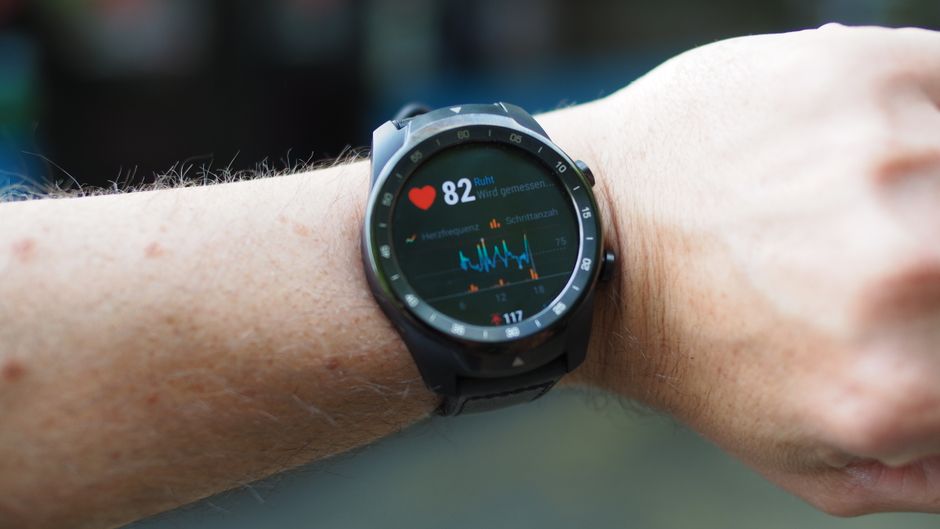
Modern health trackers, smartwatches, and smart rings continuously collect complex physiological data points. However, many users review daily health scores without understanding the underlying exercise physiology and cardiovascular mechanics behind these numbers. Metrics like Heart Rate Variability (HRV), VO2 Max, Body Battery, and Resting Heart Rate (RHR) serve as powerful windows into your autonomic nervous system, cardiorespiratory conditioning, and recovery status. Demystifying these four wearable health metrics enables users to interpret biometric data accurately, optimize training intensity, and identify early signs of overtraining or illness.
1. Heart Rate Variability (HRV): The Autonomic Nervous System Window
What It Measures: Heart Rate Variability (HRV) measures the microsecond variation in time intervals between consecutive heartbeats (measured in milliseconds, rMSSD).
The Physiology: HRV reflects the dynamic balance between the two branches of your Autonomic Nervous System (ANS):
– Sympathetic Nervous System (“Fight or Flight”): Accelerates heart rate and creates rigid, uniform heartbeat timing (lowering HRV) during physical exertion or stress.
– Parasympathetic Nervous System (“Rest and Digest”): Decelerates heart rate and introduces natural variations in heartbeat timing (elevating HRV) during rest and recovery.
How to Interpret HRV: A higher HRV relative to your personal baseline indicates high parasympathetic recovery and readiness for physical strain. A sudden drop in HRV (15%+ below personal baseline) signals systemic fatigue, alcohol consumption, high stress, or impending illness.
2. VO2 Max: The Cardiorespiratory Fitness Benchmark
What It Measures: VO2 Max (Maximum Oxygen Uptake) represents the maximum volume of oxygen (in milliliters) your body can transport and utilize per kilogram of body weight per minute (mL/kg/min) during intense exercise.
The Physiology: VO2 max reflects the efficiency of your entire cardiorespiratory system—lung oxygen intake, cardiac output (stroke volume x heart rate), and muscular capillary oxygen extraction.
How to Interpret VO2 Max: Higher VO2 max values correlate directly with athletic endurance and cardiovascular longevity. Clinical research demonstrates that improving VO2 max from “low” to “above average” lowers all-cause mortality risk by 40% to 50%. VO2 max is best improved through 80% low-intensity Zone 2 cardio and 20% high-intensity Zone 4/5 intervals.
3. Resting Heart Rate (RHR): The Cardiovascular Efficiency Indicator
What It Measures: Resting Heart Rate (RHR) is the number of times your heart beats per minute (bpm) when completely at rest, typically measured during deep overnight sleep.
The Physiology: A stronger, more conditioned heart has a larger stroke volume (pumping more blood per contraction), requiring fewer beats per minute to circulate oxygenated blood throughout the body.
How to Interpret RHR: Healthy adult RHR ranges from 50 to 70 bpm, while elite endurance athletes often exhibit RHR values below 40 bpm. An elevated overnight RHR (5+ bpm above baseline) indicates un-recovered physical fatigue, dehydration, or viral infection.
4. Body Battery / Energy Readiness Scores: The Integrated Energy Metric
What It Measures: Proprietary composite scores (Garmin Body Battery, Whoop Recovery, Oura Readiness) that integrate HRV, RHR, recent sleep quality, and active physical workload into a single 1 to 100 energy score.
How to Interpret Body Battery: Restful sleep recharges your energy battery toward 100, while physical exercise, emotional stress, and alcohol consumption drain it. Use readiness scores to autoregulate workout intensity—pushing hard when scores are high and scheduling light active recovery when scores are depleted.
Wearable Health Metrics Comparison Matrix
| Biometric Metric | Physiological System Measured | Optimal Target Trend | Primary Environmental Stressors |
|---|---|---|---|
| Heart Rate Variability (HRV) | Autonomic Nervous System Tone (rMSSD) | Higher baseline relative to individual norm| Alcohol, mental stress, sleep loss & overtraining | |
| VO2 Max | Cardiorespiratory Oxygen Delivery | Higher values (mL/kg/min) over time | Sedentary lifestyle & lack of cardiovascular exercise |
| Resting Heart Rate (RHR) | Cardiac Stroke Volume & Recovery | Lower baseline values over time | Dehydration, fever, overtraining & late meals |
| Body Battery / Readiness | Integrated ANS & Sleep Recovery | High morning scores (80-100) after sleep | Sleep debt, intense workouts & chronic stress |
Concluding Recommendation
Monitor your long-term biometric trends rather than overreacting to single-day fluctuations. Prioritize improving VO2 max through Zone 2 cardio and tracking overnight HRV to autoregulated daily training intensity safely.
Evaluating Cardiorespiratory Fitness Standards Across Age Groups
VO2 max values naturally decline by approximately 1% per year after age 30. However, engaging in regular cardiorespiratory interval training slows this age-related decline significantly.
VO2 Max Fitness Standards for Men and Women (mL/kg/min):
– Men Aged 30–39: Superior (> 51), Good (43–50), Fair (36–42), Low (< 35).
– Women Aged 30–39: Superior (> 44), Good (36–43), Fair (30–35), Low (< 29).
– Men Aged 50–59: Superior (> 44), Good (36–43), Fair (30–35), Low (< 29).
– Women Aged 50–59: Superior (> 38), Good (30–37), Fair (25–29), Low (< 24).
Maintaining a VO2 max score in the “Good” or “Superior” category for your age bracket lowers all-cause mortality risk and preserves cardiovascular functional capacity into older age.
Practical Guidelines for Interpreting Wearable Health Biometrics
To utilize wearable health metrics effectively without experiencing health anxiety:
1. Establish Personal Baselines: Evaluate HRV, Resting Heart Rate, and Body Battery relative to your personal multi-week averages rather than generic population averages.
2. Combine Biometrics With Subjective Body Signals: Use wearable metrics as supportive tools alongside how you physically feel during daily activities.
3. Prioritize Lifestyle Fundamentals: Improve baseline metrics by focusing on consistent sleep hygiene, Zone 2 cardiorespiratory training, and proper hydration.
Summary Checklist for Wearable Health Metrics
– Heart Rate Variability (HRV): Higher baseline relative to individual norm reflects strong parasympathetic recovery.
– VO2 Max: Higher values reflect superior cardiorespiratory fitness and lowered all-cause mortality risk.
– Resting Heart Rate (RHR): Lower baseline values reflect cardiac stroke volume efficiency and physical conditioning.
Understanding the Physiological Impact of Hydration on Resting Biometrics
Dehydration significantly affects overnight wearable biometrics. Consuming insufficient water during intense training days causes plasma volume to decrease, forcing the heart to beat faster to circulate oxygenated blood. As a result, overnight Resting Heart Rate elevates and Heart Rate Variability drops—signaling physiological stress caused by hydration deficits rather than muscular overtraining.
Monitoring Long-Term Biometric Cardiovascular Trends
Tracking multi-month Resting Heart Rate and VO2 max trends allows athletes to verify cardiovascular improvements. Observing a declining Resting Heart Rate accompanied by a rising VO2 max provides concrete physiological proof of enhanced heart efficiency and aerobic stamina.
Understanding the Interconnectedness of Biometric Indicators
Wearable health biometrics do not operate in isolation. A sudden drop in Heart Rate Variability often coincides with elevated Resting Heart Rate and lower Body Battery scores, providing unified evidence of systemic physical fatigue or acute physiological stress.
Monitoring HRV and Resting Heart Rate trends offers actionable insights that optimize long-term health.
Our pick: Garmin Connect or Whoop 4.0 (Comprehensive Biometric Metric Analytics)