A strong, functional core complex—encompassing the rectus abdominis, internal/external obliques, transverse abdominis, multifidus, and pelvic floor—is essential for athletic performance, spinal stabilization, posture alignment, and lower back injury prevention. However, traditional abdominal training often relies on repetitive, high-volume crunch routines that strain the cervical spine without developing true 360-degree core compression or pelvic stability. In 2026, specialized core and abdominal workout applications utilize functional movement patterns, anti-rotational isometric holds, Pilates resistance methods, and progressive bodyweight resistance to build a visible, athletic core safely.
1. Nike Training Club (NTC) — Best Free Functional Core & Ab Routines
Core Approach & Methodology: NTC offers a vast library of free core workouts led by Nike Master Trainers, emphasizing functional stability alongside traditional aesthetic ab training.
Key Features: Features dedicated 10 to 20-minute core routines combining dynamic planks, hollow-body holds, pallof presses, and mountain climbers. Includes complete multi-week core programs with equipment filters (bodyweight to medicine balls).
Price: 100% Completely Free.
2. Centr (by Chris Hemsworth) — Best Athletic Functional Core & Full-Body Conditioning
Core Approach & Methodology: Centr combines functional core training with high-intensity athletic conditioning, movement mobility, and nutrition planning.
Key Features: Core workouts feature functional movement variations designed by elite stunt performers and athletic trainers. Routines incorporate rotational core power, anti-extension plank variations, and kettlebell core stability drills.
Price: $29.99/month or $119.99/year following a 7-day free trial.
3. Pvolve — Best Low-Impact Functional Core & Pelvic Stability
Core Approach & Methodology: Pvolve utilizes functional movement science paired with patented low-impact resistance equipment (P.ball, P.band, precision mats) to engage deep core and pelvic floor muscles.
Key Features: Focuses on 3D spatial movement, anti-rotational stability, and deep core compression without high-impact spinal flexion. Excellent for posture correction, postpartum core rehabilitation, and joint-friendly ab conditioning.
Price: $14.99/month or $149.99/year.
4. Sweat (Kayla Itsines) — Best Ab & Core Workouts for Women
Core Approach & Methodology: Sweat provides high-energy, structured core and ab workout programs designed specifically for women.
Key Features: Features popular core programs (such as High Impact Zero Gravity and FIERCE) incorporating timed supersets of leg raises, bicycle crunches, plank variations, and ab circuit training.
Price: $19.99/month or $119.94/year.
Core Strength & Ab App Comparison Matrix
| App Name | Core Training Philosophy | Key Ab Movement Patterns | Equipment Options Required | Pricing Structure |
|---|---|---|---|---|
| Nike Training Club | Functional Core & Stability | Planks, Hollow Holds, Pallof Presses | Bodyweight / Dumbbells / Balls | 100% Completely Free |
| Centr | Athletic Functional Conditioning| Rotational Power, Planks, Hanging Leg Raises| Bodyweight / Kettlebells | $29.99/mo or $119.99/yr | ||
| Pvolve | Low-Impact 3D Functional Core | Anti-Rotational Hold, Pelvic Compression | P.ball / Resistance Bands | $14.99/mo or $149.99/yr |
| Sweat | Circuit Ab Training for Women | Bicycle Crunches, Leg Raises, Ab Circuits | Bodyweight / Dumbbells | $19.99/mo or $119.94/yr |
Anatomy of a Complete 360-Degree Core Training Routine
Effective core training applications balance four foundational movement vectors:
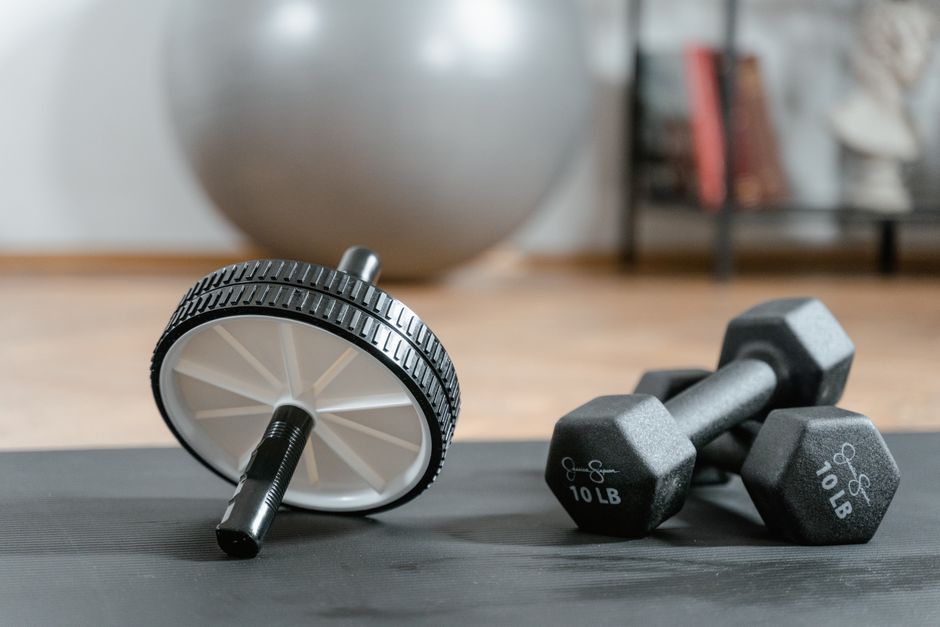
1. Anti-Extension: Planks, ab wheel rollouts, and hollow-body holds (trains the core to resist spinal hyperextension).
2. Anti-Rotation: Pallof presses and single-arm farmer carries (trains obliques to resist unwanted rotational twisting).
3. Vertical Flexion & Compression: Hanging leg raises and reverse crunches (strengthens rectus abdominis and deep hip flexors).
4. Lateral Anti-Flexion: Side planks and suitcase carries (strengthens quadratus lumborum and lateral obliques).
Concluding Recommendation
For a 100% free, high-production functional core library, choose Nike Training Club. For low-impact deep core compression and pelvic stability, Pvolve is the top choice.
Understanding the Physiological Differences Between Ab Muscle Hypertrophy and Core Compression
To maximize core training results, exercisers must distinguish between aesthetic superficial abdominal muscle hypertrophy and deep functional core compression.
Superficial Abdominal Hypertrophy (Rectus Abdominis). Exercises like crunches and hanging leg raises target the rectus abdominis (“six-pack” muscle). While developing the rectus abdominis improves muscle definition when body fat levels are low, high-volume crunching puts compressive stress on lumbar spinal discs.
Deep Core Compression (Transverse Abdominis & Pelvic Floor). The transverse abdominis functions as an internal corset surrounding the abdominal cavity. Deep core compression exercises—such as hollow-body holds, vacuum holds, and Pvolve precision stability drills—draw the abdominal wall inward, stabilizing the lumbar spine, protecting the lower back, and narrowing the waistline without spinal flexion.
Managing Intra-Abdominal Pressure During Heavy Compound Lifts
For strength athletes and weightlifters, core strength is defined by the ability to generate intra-abdominal pressure (IAP).
The Valsalva Maneuver and Core Bracing. During heavy barbell squats and deadlifts, taking a deep diaphragmatic breath and bracing the core outward against a weightlifting belt creates high intra-abdominal pressure, stabilizing the lumbar spine and preventing spinal flexion injuries under heavy loads.
Evaluating the Impact of Breathing Mechanics on Core Activation
Proper respiratory mechanics play an essential role in deep core muscle recruitment and abdominal stabilization.
Diaphragmatic Breathing and Pelvic Floor Coordination. During core training exercises, inhaling deeply into the lower diaphragm allows the ribcage and abdominal wall to expand 360 degrees. As you exhale during the exertion phase of a core movement (such as raising the legs in a leg raise or pressing a cable in a Pallof press), drawing the navel inward and engaging the pelvic floor activates the transverse abdominis, maximizing core compression and protecting the lumbar spine.
Summary Guidelines for Building a Strong Functional Core
To build a visible, athletic, and functional 360-degree core:
1. Balance Anti-Extension and Anti-Rotation Movements: Program planks, hollow-body holds, and Pallof presses alongside traditional abdominal flexion exercises.
2. Focus on Deep Core Compression: Incorporate low-impact functional core training (Pvolve) to strengthen the transverse abdominis and pelvic floor.
3. Combine Core Training With Proper Nutrition: Lower overall body fat percentages through consistent energy balance tracking to reveal underlying abdominal muscle definition.
Integrating Anti-Rotational Core Stability Drills into Gym Workouts
Anti-rotational core stability drills protect the lumbar spine by training the core to resist twisting forces under heavy loads.
Executing the Pallof Press. The Pallof press (executed using a cable machine or resistance band) requires standing perpendicular to a cable column and pressing the handle outward while maintaining a rigid, square pelvic position. The core muscles must contract intensely to resist the lateral rotational pull of the cable, strengthening the obliques and deep transverse abdominis without spinal twisting.
Building a strong 360-degree functional core stabilizes the lumbar spine, enhances athletic performance, and supports healthy posture.
Developing Deep Core Endurance for Daily Functional Stability
In addition to maximum core bracing strength, building core muscular endurance prevents postural fatigue during long workday hours. Completing low-intensity, long-hold planks and Pallof press holds trains deep core muscle fibers to support the spine continuously.
Consistently training functional core compression supports athletic movement performance and long-term spinal stability.
Our pick: Nike Training Club (Free Functional Core) or Pvolve (Low-Impact Core Stability)