



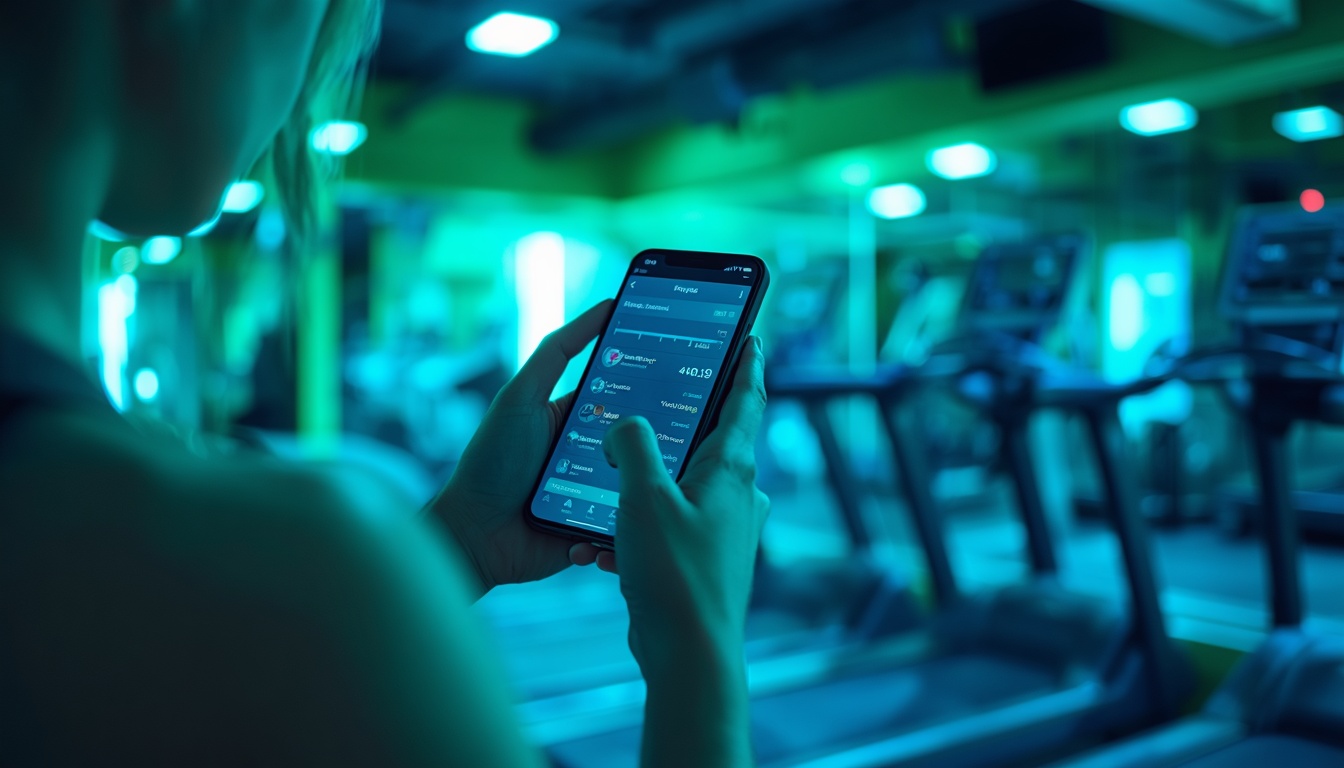
The Hidden Cost of Free Fitness Apps You Should Know is a fitness-app topic where the right answer depends on the user’s goal, schedule, experience level, equipment, and relationship with tracking. An app can be polished and popular but still be a poor fit if it creates friction, confusion, guilt, or unsafe progression.
Fitness apps can feel personal because they often store workout history, weight goals, body measurements, GPS routes, sleep data, food logs, photos, menstrual-cycle data, or heart-rate trends. A useful app should make that data easier to use without making privacy feel like an afterthought.
The main ideas to understand for this topic include privacy settings, data sharing, wearable data, location tracking, and account security. These are the features, habits, and decision points that usually determine whether a fitness app becomes a useful coach-like tool or just another icon that gets ignored.
Start With the Goal
Before choosing an app for the hidden cost of free fitness apps you should know, define the goal in plain language. The goal might be moving three times per week, training for a first 5K, building strength, improving mobility, losing weight sustainably, sleeping better, tracking macros, or staying accountable. A clear goal keeps the app from becoming entertainment instead of support.
The goal should also match the user’s current capacity. A beginner needs confidence and repeatable wins. An experienced athlete needs progression, data, and enough challenge. Someone returning after time off needs patience. A good app should meet the user where they are and make the next step obvious.
Features That Matter Most
privacy settings is often one of the first features or concepts users compare, but it should be judged by usefulness rather than hype. A feature matters only if it changes behavior, improves safety, saves time, or helps the user make better decisions.
data sharing can also shape the experience. For some users, detailed metrics are motivating. For others, too many numbers create pressure. Some people need coach-like instruction, while others need a simple tracker that stays out of the way. The best app is not the one with the longest feature list; it is the one that fits the user’s decision style.
Look for friction points during onboarding. If the app asks too many questions, hides basic features behind paywalls, makes workouts hard to find, or pushes unrealistic goals, users may quit before the habit forms. A good app should make the first week feel doable.
Programming and Progression
For the hidden cost of free fitness apps you should know, programming quality matters more than motivational graphics. Workouts should progress gradually, include recovery, explain intensity, and offer modifications. A plan that is hard from day one may feel impressive, but it often fails when soreness, schedule conflicts, or intimidation appear.
Progression should be visible. That might mean more steps, longer intervals, heavier weights, better consistency, improved pace, greater range of motion, or calmer recovery habits. The app should help users see meaningful progress without making every day a test.
The best programs also include fallback options. Short workouts, easier days, substitutions, travel modes, and restart plans keep the user moving when life is messy. Consistency is built through recovery from interruptions, not through perfect streaks.
Privacy, Data, and Integrations
Fitness apps can collect sensitive health, location, body, and behavior data, so privacy settings and data-sharing policies matter. Fitness data can be surprisingly personal. It may reveal location, health goals, weight changes, menstrual cycles, sleep patterns, heart-rate trends, injuries, routines, or when someone is away from home. Users should treat privacy settings as part of setup.
Check app permissions, wearable integrations, location sharing, social visibility, ad tracking, and account security. Use strong passwords and two-factor authentication when available. If an app connects to Apple Health, Google Fit, Garmin, Fitbit, Strava, or another platform, review what data flows in both directions.
Quality Markers That Matter
Check what data the app collects, whether it shares information with advertisers or partners, and whether location tracking can be limited. A privacy-friendly setup uses strong passwords, account security, minimal permissions, and careful wearable connections.
Data export and deletion controls matter. Users should know how to download progress, cancel integrations, delete an account, and remove sensitive information if they leave the app.
Support and transparency matter too. Good apps explain billing, cancellation, data export, privacy settings, workout difficulty, equipment requirements, and who created the programs. Vague marketing language is less useful than clear training logic.
Community features should be judged by tone. A supportive community can improve accountability, but comparison-heavy leaderboards or body-focused challenges may not help every user. The healthiest app experience is motivating without becoming obsessive.
Cost and Subscription Value
Price should be compared with actual use. A low-cost app is expensive if nobody opens it. A premium app can be worth it if it replaces unused gym classes, provides quality coaching, or helps the user train consistently for months. The value is behavior change, not just content volume.
Before paying annually, test the app during a realistic week. Try workouts on busy days, check whether reminders help, see if videos load quickly, and confirm that cancellation is simple. If the free trial happens during an unusually motivated week, wait before assuming the habit will last.
Common Mistakes to Avoid
One mistake is downloading multiple apps at once. That can split data, duplicate reminders, and make progress harder to interpret. Another mistake is choosing the hardest-looking plan instead of the one that fits the user’s current life. A third is ignoring discomfort because the app says to keep going.
Avoid letting the app define success too narrowly. Calories, streaks, weight, pace, and rings are only partial signals. Energy, mood, strength, sleep, confidence, consistency, and reduced pain can also be progress. A good fitness app should support health, not shrink it into one number.
Practical Selection Checklist
Before choosing an app for the hidden cost of free fitness apps you should know, ask five questions. Does it match my current goal? Can I use it with my available time and equipment? Does the program progress safely? Do the privacy and billing terms feel acceptable? Will I still want to use it on an average, busy day?
This checklist keeps the decision practical. The perfect app on paper may not be the best app for a real person with work, family, fatigue, travel, stress, and changing motivation. Choose the app that makes the next healthy action easier.
Review the app after two to four weeks. Keep it if it supports consistency and confidence. Change settings if it creates pressure. Cancel it if it becomes expensive background noise.
Bottom Line
The Hidden Cost of Free Fitness Apps You Should Know should be approached as a fit question, not a popularity contest. The best fitness app is the one that supports a realistic goal, provides safe progression, respects privacy, fits the budget, and helps the user return after imperfect weeks. Apps are tools; the lasting result comes from the habit they help build.
Fitness app guidance should be adapted to personal health, injury history, training age, available equipment, and medical advice. Anyone with chest pain, dizziness, pregnancy-related concerns, a recent injury, chronic disease, or a major change in activity level should consult a qualified professional before relying on an app-led program.