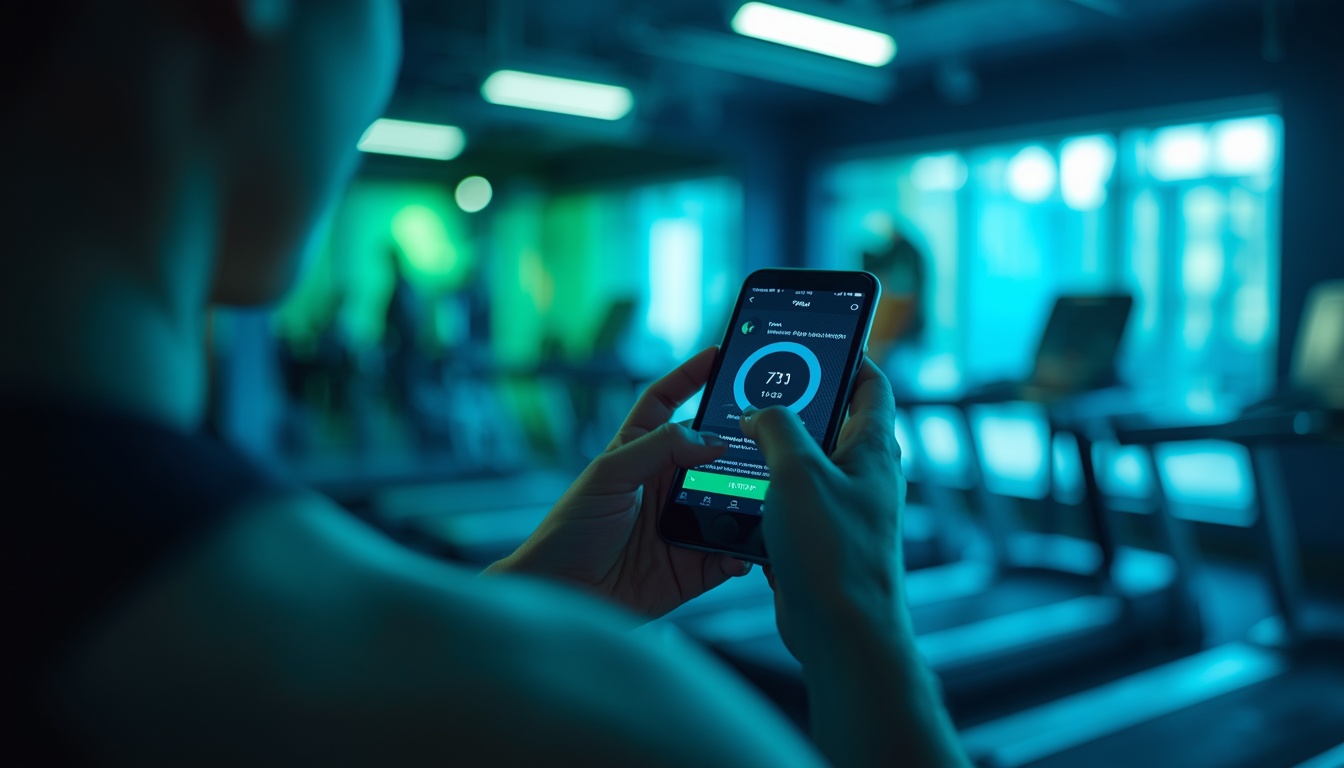
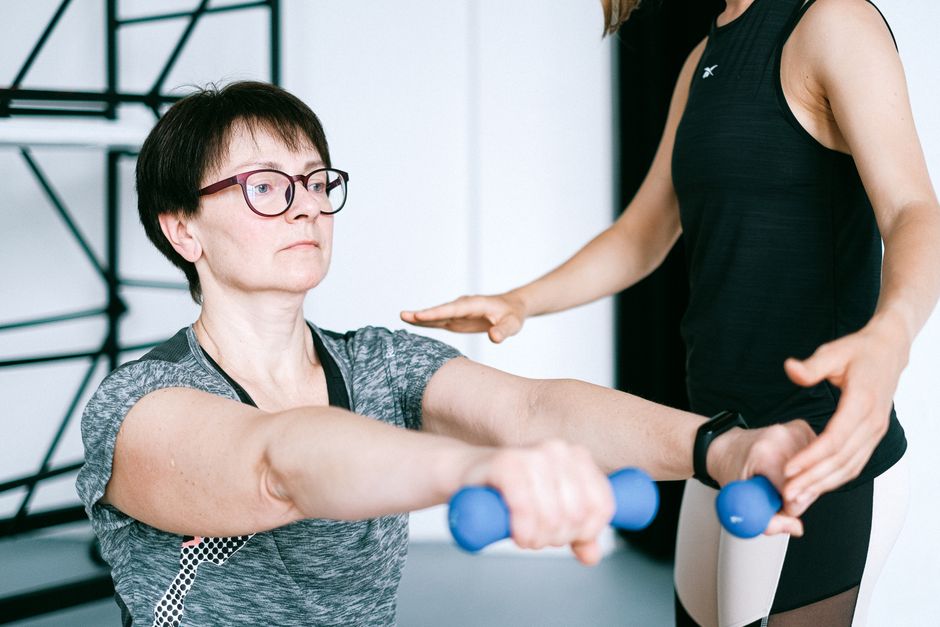
Artificial intelligence has transitioned from a buzzword in tech marketing into a functional core component of digital health and fitness software in 2026. Early iterations of “personalized” fitness apps relied on static, pre-written decision trees—offering generic workout templates based on basic survey inputs. Modern AI fitness applications integrate machine learning models, computer vision algorithms, and natural language processing (NLP) engines. These advanced systems analyze continuous biometric data, evaluate biomechanical movement patterns, and dynamically adjust training volume, intensity, and nutrition targets in real time. Understanding the capabilities and limits of modern AI fitness software helps exercisers optimize their conditioning safely.
1. Dynamic Autoregulation and Adaptive Training Volume
The most significant advancement in AI fitness software is real-time adaptive programming that adjusts to athlete recovery.
From Static Spreadsheets to Adaptive Algorithms. Traditional training programs prescribe fixed set, rep, and weight targets weeks in advance. However, human physiological capacity fluctuates daily based on sleep quality, systemic inflammation, and psychological stress. AI platforms (such as Fitbod, MacroFactor, and Morpheus) analyze continuous wearable data—including Heart Rate Variability (HRV), resting heart rate, and sleep architecture—to calculate a daily readiness score.
Real-Time Volume Adjustments. If an athlete’s HRV indicates severe physiological strain, the AI algorithm automatically reduces training volume (e.g., cutting 4 sets to 2 sets) or reduces working weight percentages. Conversely, when recovery scores are high, the algorithm prescribes progressive overload volume to maximize strength adaptations.
2. Computer Vision and Real-Time Biomechanical Form Analysis
Maintaining proper movement technique during heavy strength exercises or complex plyometrics is essential for preventing acute joint injuries.
Smartphone Camera Computer Vision. Platforms like Kaia Health, FormHealth, and Caliber utilize device cameras and computer vision neural networks to track human movement in real time. The software identifies 3D joint coordinate points (shoulders, hips, knees, ankles) without requiring external wearable sensors.
Real-Time Biomechanical Feedback. As a user executes a squat or deadbolt, the AI system measures knee valgus displacement, spinal flexion, and squat depth. If the user’s knees cave inward during a squat, the app provides instant audible cues (“Drive knees outward”) and visually highlights the joint angle error on screen.
3. Natural Language Processing (NLP) for Conversational Coaching and Nutrition Logging
Logging daily food intake has historically been one of the most tedious aspects of nutrition tracking.
Instant Voice and Photo Nutrition Logging. Modern AI nutrition apps (such as MacroFactor and Passio AI) leverage computer vision and NLP to streamline nutrition logging. Users can photograph a plate of food or speak a natural sentence (“I ate a grilled chicken breast, a cup of brown rice, and half an avocado”), and the AI identifies individual food items, estimates portion volumes, and calculates precise macronutrient totals in seconds.
AI Fitness Technology Feature Comparison
| AI Technology Category | Underlying Technical Engine | Primary Practical Fitness Application | Top App Implementations |
|---|---|---|---|
| Adaptive Autoregulation | Machine Learning & HRV APIs | Dynamic weight & volume adjustments based on recovery | Fitbod / Morpheus / Renaissance Periodization |
| Computer Vision Form Analysis| 3D Joint Coordinate Pose Estimation | Real-time posture & movement technique corrections | Kaia Health / FormHealth | |
| NLP Nutrition Logging | Computer Vision & LLM Parsing | Photo & voice-based meal logging and macro breakdown | MacroFactor / Passio AI |
| Predictive Readiness | Predictive Biometric Models | Injury prevention & fatigue management recommendations | Whoop / Oura Ring / Garmin Body Battery |
The Limitations of AI in Fitness Programming
Despite impressive technological advances, AI fitness platforms possess distinct operational limitations:
– Lack of Emotional Empathy: AI algorithms cannot detect psychological anxiety, personal life stress, or motivational burnout that human coaches identify through conversation.
– Inability to Assess Acute Pain: AI systems struggle to distinguish between benign muscular fatigue and sharp, acute joint pain requiring physical therapy intervention.
Concluding Recommendation
Leverage AI fitness applications for automated progressive overload calculations, computer-vision form feedback, and instant nutrition logging, but combine algorithmic recommendations with personal body awareness.
AI-Driven Predictive Fatigue and Injury Risk Modeling
Preventing acute muscular strain and connective tissue overuse injuries represents a major frontier in AI fitness software.
Predictive Fatigue Modeling. Advanced fitness platforms interface with continuous wearable biometric streams (such as Whoop, Oura, or Garmin) to track cumulative acute-to-chronic workload ratios (ACWR). By comparing an athlete’s 7-day acute exercise load against their 28-day chronic training baseline, AI algorithms predict when an athlete enters an elevated injury risk zone. If acute workload surges too rapidly relative to chronic conditioning, the app triggers alerts advising reduced training volume.
Biomechanical Asymmetry Detection. Computer vision apps analyzing movement form track subtle bilateral asymmetries during lower-body exercises (e.g., detecting if a user shifts 15% more weight onto their right leg during a barbell squat). Identifying mechanical compensations early allows the app to prescribe targeted unilateral accessory exercises to correct muscle imbalances before joint pain develops.
Ethical Considerations and Data Privacy in Fitness AI
As fitness software models process increasing volumes of personal biometric data, data security becomes paramount.
Protecting Biometric Neural Net Training Data. Users must review whether AI fitness apps utilize personal video form recordings or biometric health logs to train public machine learning models. Reputable AI platforms guarantee that personal video feeds process locally on device processors or utilize anonymized, encrypted cloud pipelines that comply with strict data protection standards.
AI-Driven Macronutrient Autoregulation in Nutrition Software
In addition to workout adaptation, artificial intelligence has transformed nutrition tracking.
Dynamic Weight-Trend Analysis. Traditional calorie tracking apps use static formulas (like the Harris-Benedict equation) to estimate daily calorie targets. However, metabolic rates adapt over time. Advanced AI nutrition platforms (such as MacroFactor) analyze daily body weight logs paired with actual food intake data to calculate an individual’s true Expenditure (TDEE) dynamically.
Automated Weekly Macro Adjustments. If an individual’s goal is weight loss and their weekly weight trend stalls, the AI algorithm automatically adjusts daily carbohydrate and fat allocations in real time, eliminating guesswork and preventing metabolic plateaus without requiring manual spreadsheet math.
Summary Guidelines for Utilizing AI Fitness Applications
To maximize the benefits of AI-driven health and fitness software:
1. Combine Algorithmic Recommendations With Body Awareness: Use AI recovery scores as helpful guides, but adjust workout intensity if experiencing acute pain or exhaustion.
2. Ensure Consistent Data Inputs: Provide accurate self-reported metrics (RPE, body weight, sleep quality) to maintain algorithmic precision over time.
3. Prioritize Data Privacy: Choose AI platforms that process biometric data securely and offer transparent privacy policies.
Leveraging AI fitness software provides personalized, evidence-based training and nutrition adaptations that accelerate athletic progress.
Combining AI data analytics with human body awareness ensures safe, effective long-term physical conditioning.
Utilizing adaptive AI fitness software establishes a personalized, data-driven approach to lifelong physical health and athletic performance.
Our pick: MacroFactor (AI Nutrition) or Fitbod (Adaptive Training Volume)