The digital fitness software landscape in 2026 is flooded with thousands of mobile applications promising rapid fat loss, automated muscle hypertrophy, and effortless habit formation. Driven by aggressive social media marketing campaigns and AI-driven sales pitches, consumer adoption of fitness apps has reached an all-time high. However, behind glossy user interfaces and proprietary algorithms lie widespread misconceptions about how digital fitness tools actually function. Unpacking five prevalent fitness app myths allows users to separate evidence-based physiological principles from marketing hype, establishing a sustainable, long-term approach to health and conditioning.
Myth 1: “Calorie Burn Trackers in Apps Are 100% Accurate”
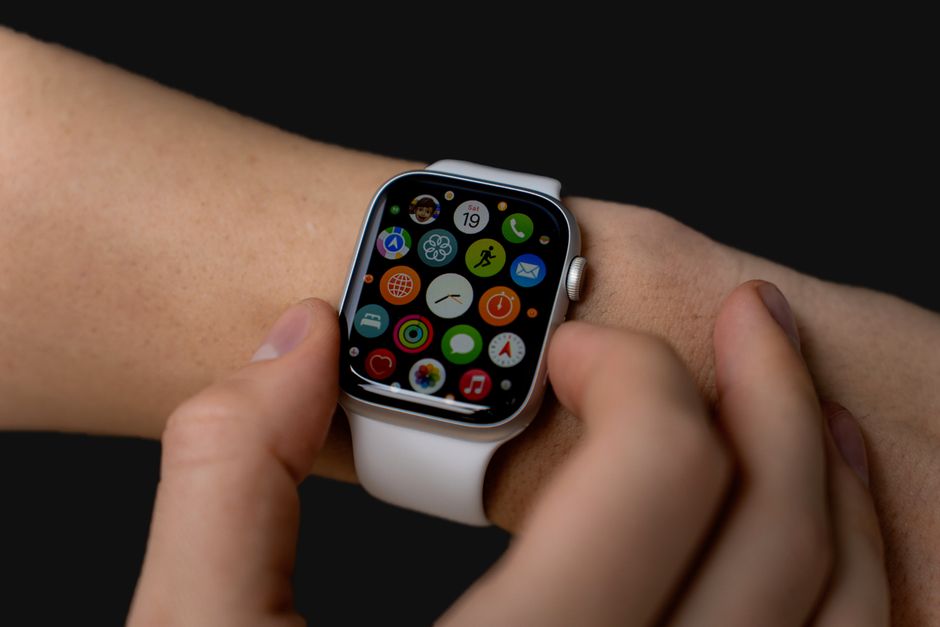
Perhaps the most pervasive misconception among digital fitness users is that smartwatches and fitness apps accurately measure total energy expenditure (TEE) during exercise.
The Science of Energy Expenditure Estimation. Mobile apps and connected wearables estimate active caloric burn using basic demographic inputs (age, weight, biological sex) paired with photoplethysmography (PPG) heart rate sensors or accelerometer movement data. However, independent exercise physiology studies repeatedly demonstrate that consumer fitness wearables exhibit a wide error margin ranging from 15% to 40% when estimating calorie burn.
Why Algorithms Overestimate. Wearable algorithms frequently misinterpret elevated heart rate caused by heat stress, caffeine intake, dehydration, or psychological anxiety as physical metabolic output. Users who consume additional food based on inflated “calories burned” metrics inside apps like MyFitnessPal routinely stall their weight loss progress.
Myth 2: “AI-Generated Workout Plans Replace Certified Human Trainers”
Artificial intelligence features prominently in 2026 fitness app marketing. While AI algorithms excel at data aggregation, claiming they render human fitness professionals obsolete is false.
The Limits of Algorithmic Prescription. AI workout generators rely on pre-programmed logic templates and user self-reported inputs. An algorithm cannot visually assess joint biomechanics, identify subtle movement compensations during a heavy barbell squat, or adjust training loads based on an athlete’s acute central nervous system fatigue.
Where AI Succeeds vs Fails. Algorithmic workout apps excel at structured progressive overload tracking and automated weight logging. However, they lack the empathetic real-time feedback, biomechanical correction, and psychological adaptability provided by experienced strength and conditioning coaches.
Myth 3: “Streaks and Daily Gamification Are Necessary for Consistency”
App developers utilize gamification techniques—such as daily activity streaks, badge rewards, and push notification reminders—to maximize daily active user (DAU) retention metrics.
The Danger of Rigid Consistency. While daily streaks encourage initial habit formation, rigid daily requirements conflict with human recovery biology. Physical adaptation requires structured rest days for muscular repair and systemic nervous system recovery. Users who feel forced to complete daily intense workouts to maintain a “100-day streak” face elevated risks of overtraining syndrome, tendonitis, and psychological burnout.
Myth 4: “Sweat-Equity and Fatigue Metrics Equals Effective Training”
Many boutique workout apps design high-intensity interval training (HIIT) sessions intended to leave users exhausted and drenched in sweat, associating extreme fatigue with workout effectiveness.
Fatigue vs Progressive Adaptation. Physiological adaptation (building muscular strength, improving VO2 max, or stimulating muscular hypertrophy) is driven by targeted stimulus, volume, and progressive overload—not sheer exhaustion. Feeling completely wiped out after every workout is often a sign of poor programming rather than productive training.
Fitness App Myth vs Reality Matrix
| Fitness App Myth | Marketing Claim | Scientific Physiological Reality | Recommended User Action |
|---|---|---|---|
| 1. Calorie Accuracy | “Track exact calories burned to $100\%$ accuracy” | 15% to 40% margin of error on calorie burn | Use calorie metrics as broad trends, not absolute math |
| 2. AI Personalization | “Replaces human personal trainers completely” | Lacks visual form analysis and biomechanical tweaking | Pair app logging with periodic human form checks |
| 3. Daily Streaks | “Work out every single day to build the habit” | Ignores recovery biology; increases overtraining risk | Schedule 1 to 3 dedicated rest/recovery days weekly |
| 4. Extreme Fatigue | “More sweat and fatigue means faster results” | Fatigue does not equal progressive muscular overload | Track objective performance (weight, reps, distance) |
| 5. Spot Reduction | “Target belly fat with 10-minute ab app routines” | Fat loss is systemic and dictated by energy balance | Focus on total body composition and nutrition habits |
Myth 5: “10-Minute Target Workouts Can Spot-Reduce Fat”
Short 10-minute “belly fat burner” or “thigh slim” app routines remain popular downloads.
Systemic Fat Oxidation Dynamics. Subcutaneous fat loss occurs systemically across the entire body when an individual maintains a consistent energy deficit over time. Performing 100 abdominal crunches via a mobile app strengthens the underlying rectus abdominis muscle, but it does not selectively burn the subcutaneous adipose tissue covering those muscles.
Concluding Recommendation
Treat fitness apps as objective data logging logs and organizational notebooks rather than infallible physiological guides. Ignore inflated caloric burn estimates, ignore daily streak pressure when rest is required, and focus on tracking long-term performance progression.
Evaluating Photoplethysmography (PPG) Hardware Limitations
Understanding why optical heart rate sensors fail during high-intensity training helps explain calorie tracking errors. PPG sensors measure blood volume changes by shining green LED light through skin capillaries. During rapid arm movements, heavy sweating, or high-intensity interval training (HIIT), optical sensors experience motion artifacts, skin displacement, and cadence locks—where the sensor accidentally measures stride rate instead of heart rate. Using a chest-strap heart rate monitor (such as the Polar H10) communicating via Bluetooth/ANT+ improves heart rate accuracy significantly, though calorie burn calculations remain estimated algorithms.
The Myth of “Metabolic Afterburn” (EPOC) Overestimation
Fitness apps frequently promote Excess Post-Exercise Oxygen Consumption (EPOC)—commonly marketed as the “afterburn effect”—claiming that high-intensity workouts burn hundreds of additional calories for 24 to 48 hours post-workout. While EPOC is a real physiological phenomenon where the body consumes additional oxygen to restore ATP-PC stores, clear lactate, and lower core temperature, clinical exercise physiology research demonstrates that EPOC accounts for only 6% to 15% of total workout energy expenditure. An intense 300-calorie workout generates only 18 to 45 additional EPOC calories over the following 12 hours—far less than the exaggerated claims advertised by workout apps.
Evaluating Muscle Confusion and Routine Variation Myths
Another widespread fitness app myth is the concept of “muscle confusion”—the idea that changing workout routines every session prevents muscles from adapting and forces faster growth. Exercise physiology confirms that muscular hypertrophy and strength gains require continuous exposure to specific movement patterns (such as squats, deadlifts, bench presses, and pull-ups) to execute systematic progressive overload. Switching exercises constantly via random workout generator apps prevents neural adaptation and tracking measurable strength progress over time.
Establishing Practical Guidelines for Fitness App Utilization
To maximize the benefits of fitness apps while avoiding common pitfalls, follow four practical rules:
1. Treat Calorie Estimates as Relative Trends: Use wearable calorie burn estimates as relative indicators of daily activity changes rather than precise mathematical formulas for dietary intake.
2. Prioritize Movement Form Over Volume: Ignore app prompts to increase weight or reps if physical execution technique or range of motion deteriorates.
3. Schedule Rest Days Intentionality: Override app streak notifications when feeling physical joint pain or systemic neuromuscular fatigue.
4. Track Objective Performance Metrics: Focus on logging objective metrics—such as weight lifted, reps completed, and running pace—rather than subjective sweat volume.
Our pick: Fitbod or Hevy (Objective Progressive Overload Tracking)