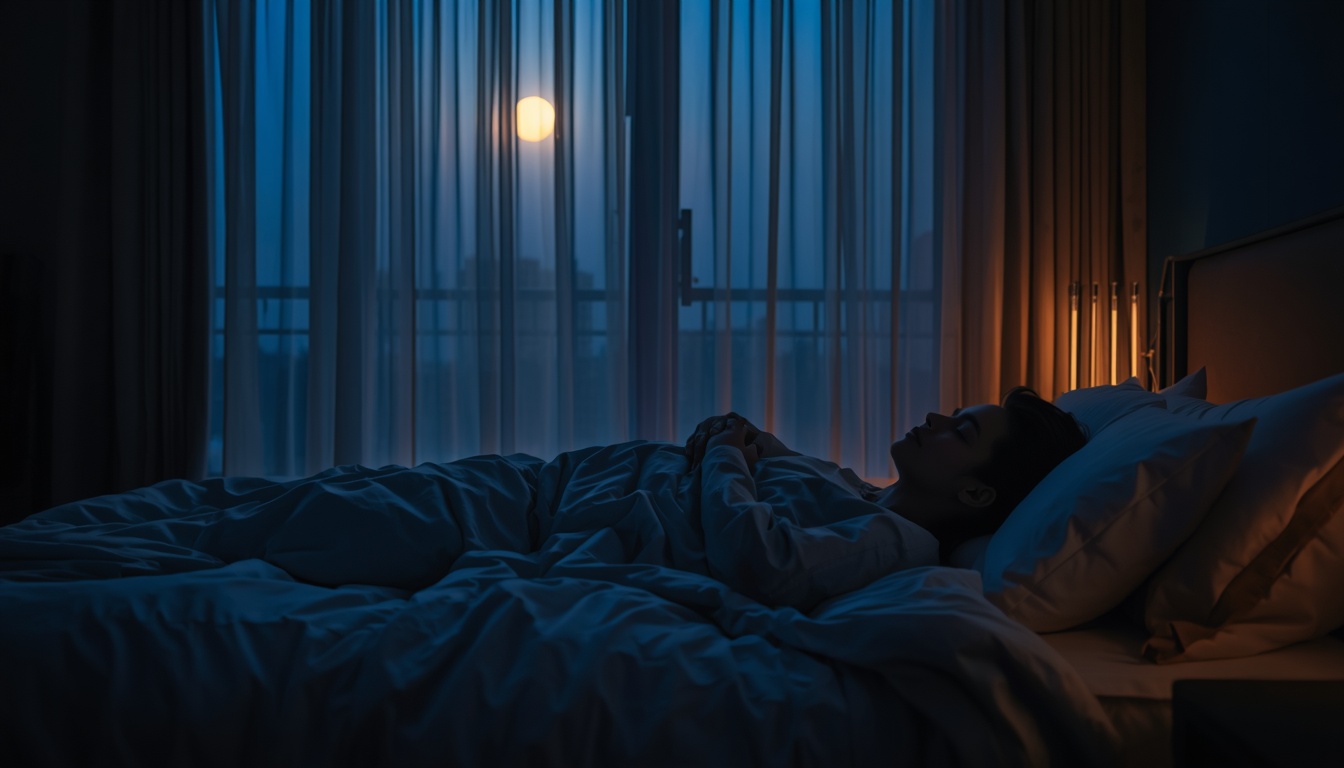




Best Sleep Trackers for Deep Sleep Monitoring is a sleep-and-recovery topic where the real goal is not perfection but better restoration. Most people want tools and strategies that help them feel more rested, think more clearly, recover more reliably, and maintain healthier routines without turning bedtime into another source of stress.
Sleep-tracking tools are appealing because they turn a vague feeling of tiredness into something measurable. Used well, that feedback can help people notice patterns around bedtime, caffeine, alcohol, stress, exercise, and consistency.
To evaluate this topic well, it helps to focus on sleep stages, overnight trends, wearable comfort, data accuracy, and habit feedback. Those factors usually determine whether a sleep or recovery tool improves real-life habits or simply adds more information without making rest easier to achieve.
Why This Topic Matters
The appeal of best sleep trackers for deep sleep monitoring is practical. Better sleep and recovery influence mood, focus, patience, training quality, immune resilience, and daily functioning. People notice quickly when rest is poor, but they often struggle to identify which habits or tools actually move the needle.
That is why this category can be so valuable. The right support can turn vague goals like sleep better or recover faster into simple repeatable actions that fit ordinary life.
What Good Support Looks Like
In this category, sleep stages is often one of the first things people compare, but it only matters when it leads to better decisions. A feature is useful if it improves awareness, supports calm, saves time, or makes a healthy routine easier to repeat.
overnight trends matters too because different users need different levels of structure. Some want detailed feedback and trends. Others want a simple process that helps them wind down, recover, and stop guessing.
The best tools usually feel supportive rather than demanding. They help users do less mental work at the end of the day, not more.
How to Judge Fit
When thinking about best sleep trackers for deep sleep monitoring, start with the actual use case. Is the goal to build a steadier bedtime, understand recovery after training, reduce middle-of-the-night wake-ups, manage evening stress, or simply wake up feeling less depleted?
The answer shapes the best tool. Someone who wants trend data may benefit from a tracker, while someone struggling with overactive thoughts may need a low-friction app or a simpler wind-down structure. A person dealing with supplement questions needs a different kind of guidance altogether.
It also helps to ask how the tool feels in the moment it is needed. If it is complicated, bright, noisy, or demanding when someone is already tired, stressed, or overstimulated, it may not fit real behavior very well.
Habits and Follow-Through
The long-term value of best sleep trackers for deep sleep monitoring usually comes from habit support. Consistent wake times, repeatable pre-bed cues, lower evening stimulation, practical recovery routines, and clear next steps matter more than novelty.
A good system should also make restart easy. Travel, stress, late work, hard training blocks, parenting demands, and social events all disrupt rest. Helpful tools make it easier to return to a routine without guilt or all-or-nothing thinking.
Progress in this space is often subtle but meaningful: fewer rough mornings, steadier energy, better concentration, improved training readiness, or less bedtime frustration can all signal that the system is working.
Safety, Boundaries, and Expectations
Sleep-tracking tools are most useful when they inform better routines rather than becoming a source of anxiety about every night’s score. That matters because tired people are often willing to try anything that promises relief. Helpful content should lower pressure, clarify limits, and encourage evaluation when symptoms look bigger than a routine problem.
Boundaries matter too. Not every person benefits from more tracking, more notifications, or more evening tasks. Sometimes the best sleep-support tool is the one that simplifies the routine and reduces performance pressure around rest.
Quality Markers to Look For
A useful tracker should make trends easy to understand. Bedtime consistency, total sleep time, awakenings, resting heart rate, and recovery patterns are usually more actionable than obsessing over one isolated score.
Comfort matters too. A wearable that feels intrusive, needs constant charging, or creates stress around perfect data may not support better sleep in practice.
It also helps when a product explains its purpose clearly. Users should know whether the tool is for tracking, relaxation, sleep education, recovery planning, or general bedtime support.
Transparent pricing, realistic claims, and a calm user experience are part of quality too. Products build trust when they support better habits without overstating what they can solve alone.
Common Mistakes to Avoid
One common mistake is trying to overhaul everything at once. People often do better by improving one part of the system first, such as wake time consistency, screen boundaries, or pre-bed wind-down.
Another mistake is expecting best sleep trackers for deep sleep monitoring to create perfect sleep every night. Sleep is influenced by stress, illness, hormones, schedule shifts, travel, and environment. The goal is usually better averages and steadier recovery, not flawless nights.
It is also worth watching for sleep effort turning into sleep anxiety. If a tool makes someone feel more pressured, vigilant, or frustrated at bedtime, it may be hurting the process it is supposed to help.
Bottom Line
Best Sleep Trackers for Deep Sleep Monitoring is best approached as a fit question, not a hype question. The strongest choice is the one that supports calmer evenings, clearer recovery decisions, realistic routines, and better rest in the context of everyday life.
This content is educational and should not replace care from a physician, sleep specialist, psychologist, or other qualified clinician. Persistent insomnia, loud snoring, breathing pauses, severe daytime sleepiness, or symptoms that affect safety and daily function warrant professional evaluation.