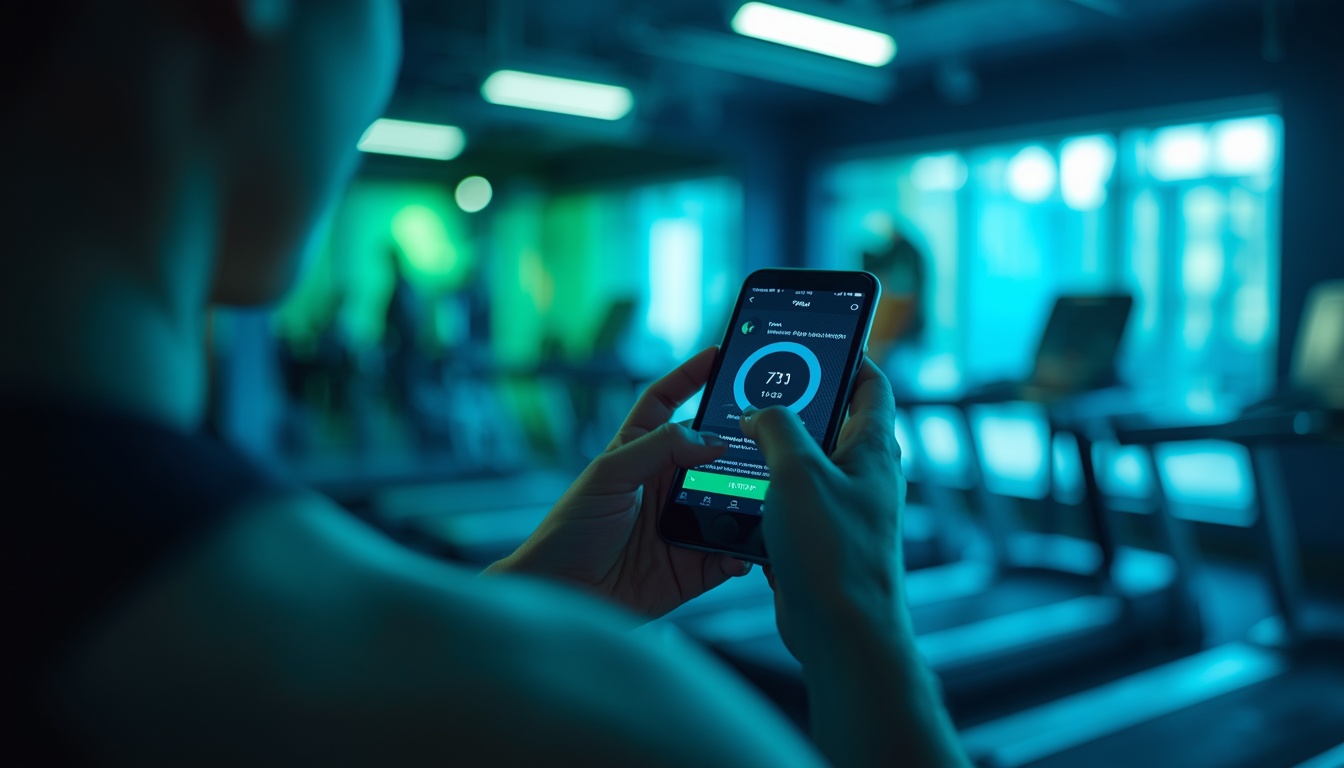

The evolution of mobile technology, wearable biometric sensors, and cloud computing over the past decade has fundamentally restructured the global fitness ecosystem. Historically, engaging in structured exercise required purchasing commercial gym memberships, hiring expensive personal trainers, or relying on static printed workout routines. In 2026, fitness applications have democratized access to expert instruction, flexible training schedules, real-time physiological monitoring, and global athletic communities. Understanding the structural shifts brought about by digital fitness platforms illuminates both the incredible advantages and potential pitfalls of modern exercise technology.
1. The Elimination of Geographic and Financial Barriers
The most profound impact of fitness apps is the democratization of high-quality fitness instruction.
Lowering the Cost of Entry. Traditional personal training costs between $60 and $150 per hour, placing professional coaching out of reach for millions. Digital fitness apps provide structured programming, exercise video libraries, and automated progression tracking for $10 to $20 per month—or completely free through platforms like Nike Training Club.
Workout Anywhere Flexibility. Mobile applications have detached structured exercise from physical brick-and-mortar facilities. Users can execute guided bodyweight workouts, yoga flows, or kettlebell sessions in hotel rooms, public parks, or living rooms, eliminating commute times and gym membership overhead.
2. Shift From Subjective Effort to Objective Biometric Data
Before the proliferation of smartwatches and connected health applications, exercisers gauged workout intensity using subjective ratings of perceived exertion (RPE) or simple stopwatch timing.
The Rise of Continuous Biometric Monitoring. Modern fitness apps interface directly with PPG optical sensors and ECG hardware, tracking heart rate variability (HRV), resting heart rate (RHR), VO2 max, and sleep architecture. Platforms like Whoop, Oura, and Garmin Connect translate complex physiological data into actionable daily readiness and recovery scores.
Data-Driven Autoregulation. Instead of adhering rigidly to a static calendar schedule, exercisers can autoregulate their training intensity based on objective recovery metrics. If an athlete’s HRV indicates severe systemic fatigue, the app recommends a light mobility session rather than a high-intensity heavy lifting workout.
3. The Rise of Asynchronous Digital Communities and Social Accountability
Exercise adherence depends heavily on social support networks. Digital apps have established global, asynchronous athletic communities.
Social Gamification and Segment Competition. Strava revolutionized endurance sports by transforming everyday outdoor runs and cycle rides into interactive, GPS-mapped segments. Athletes compete on local leaderboards, share kudos, and analyze pace graphics, establishing accountability across millions of global users.
Virtual Group Fitness Classes. Platforms like Peloton and Apple Fitness+ bring the energy of live group fitness classes into private living rooms, combining high-production video, real-time leaderboard metrics, and curated playlists.
Structural Impact of Fitness Technology
| Historical Exercise Model | Modern App-Driven Exercise Model | Primary User Benefit |
|---|---|---|
| High-cost gym memberships & $100/hr trainers | $10-20/month subscription apps & free platforms| Financial accessibility & lower barrier to entry | |
| Fixed gym locations & strict class schedules | On-demand workouts anywhere, anytime | Complete schedule flexibility & travel mobility |
| Subjective exertion estimates & manual logs | Real-time HRV, VO2 Max, & auto-logged volume | Objective data-driven training & autoregulation |
| Isolated individual workouts or local classes | Global social networks (Strava) & virtual boards| Widespread social accountability & community |
4. The Paradox of Choice and Digital Fatigue
While digital fitness offers unprecedented flexibility, it has introduced new psychological challenges.
Information Overload and App Hopping. The availability of thousands of workout apps leads to “analysis paralysis.” Users frequently switch between different apps, programs, and training philosophies every few weeks, preventing the long-term consistency required to achieve physiological adaptation.
Over-Reliance on Technology. Some exercisers become overly dependent on wearable metrics, experiencing anxiety if an app rates their “readiness score” as low, even when feeling physically energetic. Maintaining body awareness alongside digital data is essential.
Concluding Recommendation
Harness the positive evolution of fitness apps by using them as flexible, low-cost tools for objective data logging and social connection, while avoiding over-reliance on daily readiness scores.
The Shift Toward Autoregulated and Velocity-Based Training
Modern strength training applications have integrated velocity-based training (VBT) principles and autoregulation models that adapt to real-time athlete capacity.
Moving Beyond Static Percentage-Based Programming. Traditional strength programs prescribed static weights based on a historical one-rep max (e.g., squatting 80% of 1RM for 5 reps). However, daily strength capacity fluctuates by 10% to 15% based on sleep quality, stress, and nutrition. Autoregulated strength apps (such as Caliber or Fitbod) utilize Rating of Perceived Exertion (RPE) or Reps in Reserve (RIR) inputs after every set to adjust subsequent set weights dynamically.
Integrating Linear Position Transducers and Accelerometers. Advanced strength apps interface with hardware encoders (such as GymAware or Output Sports) attached to barbells, measuring bar velocity in meters per second (m/s). If bar speed slows during a set, the app signals that neuromuscular fatigue is elevated, prompting the lifter to terminate the set before form breakdown occurs.
The Impact on Chronic Disease Management and Digital Therapeutics
Digital health applications have expanded beyond elite sports performance into clinical digital therapeutics (DTx).
Preventative Health and Exercise as Medicine. Prescription fitness platforms (such as Hinge Health for joint care or Kaia Health for musculoskeletal pain) deliver clinically validated physical therapy programs directly to patients. These applications utilize smartphone cameras and computer vision algorithms to evaluate exercise form in real time, tracking joint angles and providing instantaneous biomechanical corrections without requiring in-person clinic visits.
The Evolution of Home Gym Hardware and Connected Ecosystems
The integration of mobile fitness applications with smart home gym hardware has established a new category of connected indoor training infrastructure.
Smart Home Gym Hardware Ecosystems. Connected fitness equipment—such as smart cable machines (Tonal), smart rowing machines (Hydrow), and connected stationary bikes (Peloton, NordicTrack iFIT)—combines heavy-duty mechanical hardware with interactive touchscreen displays and automated digital resistance systems. Tonal utilizes electromagnetic resistance motors that adjust digital weight resistance up to 200 pounds in 1-pound increments, executing dynamic spotter modes and eccentric overload protocols automatically during heavy lifting sets.
The Impact on Exercise Adherence and Commercial Gym Trends. Connected home gym hardware has transformed consumer workout habits by eliminating commute friction and offering high-production studio classes at home. However, commercial fitness facilities have adapted by offering hybrid memberships that combine physical gym facility access with custom mobile app workout tracking and remote personal training check-ins.
Summary Guidelines for Integrating Digital Fitness Tools
To maximize the benefits of modern digital fitness applications:
1. Prioritize Progressive Overload: Focus on consistent exercise logging over superficial app features.
2. Balance Biometric Data with Subjective Body Awareness: Listen to internal physical signals alongside wearable recovery scores.
3. Leverage Social Community Features: Join virtual athletic communities to maintain long-term training motivation.
Combining mobile fitness software with consistent exercise habits provides an affordable, highly accessible foundation for long-term health and athletic conditioning.
Our pick: Strava (Community & Endurance) + Strong (Gym Strength Logging)