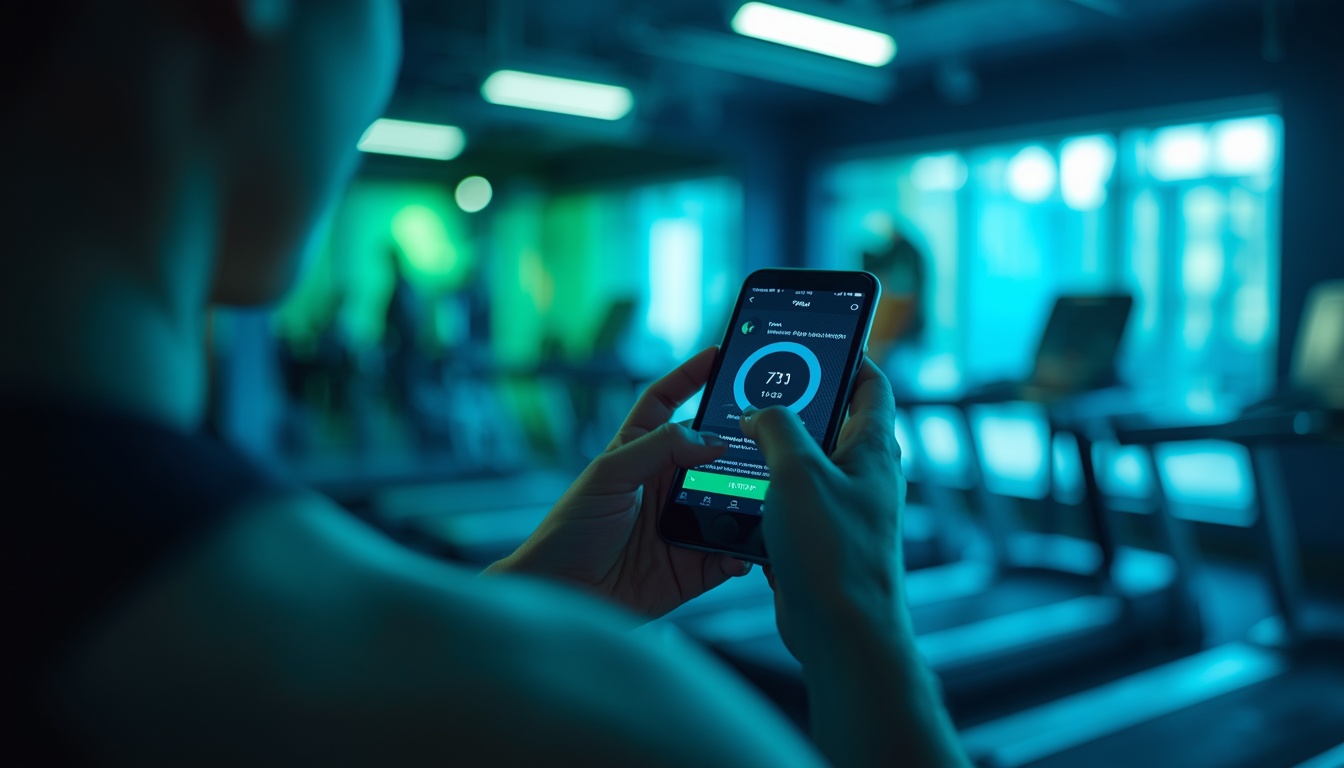

The mobile application marketplaces contain over 100,000 health and fitness software products categorized under exercise tracking, weight loss, mental wellness, and athletic conditioning. Millions of individuals download these digital tools with the expectation that purchasing an app subscription will automatically translate into improved physical conditioning, fat loss, or cardiovascular health. However, evaluating digital health technology requires examining whether mobile apps independently drive physiological adaptations, or whether they simply function as organizational logs that depend entirely on human behavioral consistency. Understanding the real impact of fitness software helps users establish realistic expectations and select tools that drive tangible conditioning improvements.
Defining the Digital Fitness Category
Fitness applications encompass a broad range of digital tools designed to monitor, guide, or gamify physical activity:
Categories of Fitness Applications:
1. Exercise Logging & Progressive Overload Apps: Digital notebooks (Strong, Hevy) designed to log weights, reps, and sets to track strength progression.
2. Guided Video & Audio Instruction Apps: On-demand class streaming platforms (Nike Training Club, Peloton, Apple Fitness+) offering video instruction led by fitness instructors.
3. Nutrition & Macro Tracking Apps: Food database engines (MyFitnessPal, MacroFactor) used to log daily caloric intake and macronutrient distributions.
4. Wearable Biometric Recovery Apps: Health aggregation platforms (Whoop, Oura, Garmin Connect) that analyze HRV, sleep stages, and physiological strain.
Do Fitness Apps Actually Improve Physical Fitness? What the Evidence Shows
Systematic reviews and meta-analyses published in sports medicine journals evaluate the clinical efficacy of fitness software on physical health outcomes.
The Evidence for Physical Activity Increases. Peer-reviewed research indicates that individuals who consistently utilize fitness apps demonstrate statistically significant increases in daily step counts (averaging 1,000 to 2,000 additional steps per day) and weekly moderate-to-vigorous physical activity (MVPA) compared to non-app users.
The Core Mechanism: Behavioral Accountability. Fitness software does not directly cause physiological adaptation—lifting a physical barbell or running miles causes adaptation. However, fitness apps serve as powerful behavioral catalysts by increasing self-monitoring, providing visual feedback, establishing goal clarity, and leveraging social accountability.
Why Many Users Fail to See Physical Results
Despite downloading top-rated apps, a significant percentage of users experience zero measurable improvements in body composition or physical strength.
Primary Factors Behind App Failure:
– The Novelty Decay Curve: Initial user enthusiasm fades after 2 to 4 weeks, leading to abandoned app logging and discontinued workouts.
– Lack of Progressive Overload: Relying on apps that generate random, varied workouts without structured weight or volume progression prevents strength gains.
– Ignoring Nutritional Fundamentals: Completing app workouts while maintaining an un-tracked caloric surplus prevents body fat loss.
Fitness App Efficacy Breakdown
| App Category | Primary Mechanism of Action | Clinical Conditioning Efficacy | Primary Failure Point |
|---|---|---|---|
| Strength Logging Apps | Tracks progressive volume & weight overload | High (Drives measurable strength gains) | User fails to log consistently or push intensity |
| Guided Video Apps | Provides structured follow-along instruction | Moderate to High (Improves cardio & mobility)| Workouts lack individualized progression | |
| Nutrition Tracking Apps | Audits daily caloric & macronutrient balance | High (Drives body composition changes) | Inaccurate portion estimation by user |
| Gamified Cardio Apps | Leverages social competition & badges | Moderate (Increases daily step volume) | Users burn out attempting to maintain streaks |
Concluding Recommendation
Fitness apps do make you fitter *if* they are used consistently as tools for progressive overload and nutritional accountability. Select a simple strength logging app or structured video platform that emphasizes long-term consistency over short-term gimmicks.
Evaluating the Impact of App-Based Fitness on Chronic Disease Prevention
Beyond general conditioning and aesthetic body composition goals, digital health software plays a vital role in preventative medicine and chronic disease management.
Cardiovascular and Metabolic Disease Interventions. Clinical trials examining mobile health interventions demonstrate that structured fitness and nutrition apps reduce glycated hemoglobin (HbA1c) levels in type 2 diabetic patients, lower resting blood pressure in hypertensive individuals, and improve lipid panel profiles. By providing daily accountability, automated meal logging, and step-count tracking, fitness apps help users maintain essential lifestyle modifications that lower chronic disease risk.
Mental Health and Cognitive Benefits of Digital Workout Adherence
Physical exercise is one of the most powerful non-pharmacological interventions for reducing mild-to-moderate clinical anxiety and depression.
Neurological Adaptation Through Exercise. Completing regular exercise sessions logged via fitness apps stimulates brain-derived neurotrophic factor (BDNF), accelerates neuroplasticity, and improves executive cognitive function. Fitness apps that incorporate social community features (such as Strava or Peloton) provide additional psychological support, helping users combat social isolation while building physical resilience.
Key Factors for Long-Term App Retention and Results
To ensure a fitness app drives lasting physical adaptations rather than becoming abandoned “shelfware”:
1. Select Apps Aligned With Your Skill Level: Beginners should start with guided video platforms (Nike Training Club) before transitioning to complex strength logging apps.
2. Focus on Habit Consistency Over Intensity: Prioritize completing 20 to 30 minutes of daily movement rather than sporadic, exhausting 90-minute workouts.
3. Review Progress Logs Monthly: Use built-in app analytics to celebrate objective strength or endurance improvements over 8 to 12-week training cycles.
The Role of Digital Fitness Software in Injury Rehabilitation
For individuals recovering from sports injuries or managing chronic joint discomfort, specialized physical therapy and rehabilitation applications provide structured, evidence-based exercise guidance.
Structured Movement Control and Pain Tracking. Rehabilitation platforms (such as Hinge Health or Joint Academy) guide users through gentle range-of-motion exercises, isometric strengthening routines, and movement control drills. By tracking daily pain scores and joint mobility improvements over time, these applications help patients safely rebuild joint resilience and return to active physical conditioning.
Summary Guidelines for Selecting Effective Fitness Software
When choosing a fitness app to drive tangible conditioning results:
1. Select Apps With Clear Progression Structures: Choose apps that track weight, reps, or distance progress systematically over multi-week cycles.
2. Focus on Habit Consistency: Prioritize manageable 20 to 30-minute daily workouts over sporadic, exhausting exercise sessions.
3. Pair Exercise Tracking With Nutrition Accountability: Use nutrition logging apps alongside workout software to align caloric intake with body composition goals.
The Impact of Community Support and Digital Accountability
In addition to progressive overload, fitness software fosters community connection. Joining virtual running clubs or sharing workout logs with supportive social groups enhances intrinsic motivation, making exercise an enjoyable, long-term lifestyle habit.
Tracking Long-Term Consistency and Habit Milestones
Celebrating long-term consistency milestones—such as completing 50 workouts or maintaining a 6-month exercise log—reinforces positive behavioral habits. Over time, app tracking shifts from an external accountability nudge into an automatic, rewarding component of an active lifestyle.
When used consistently alongside proper nutrition and rest, fitness apps serve as powerful catalysts for long-term health and physical fitness.
Mobile fitness applications provide the structured logging framework necessary to achieve continuous, measurable athletic progress.
Our pick: Nike Training Club (Guided Classes) or Hevy (Strength Progression)